A glp-1 diet focuses on small portions, steady protein, and plenty of fluids for people using semaglutide or tirzepatide. These medications slow digestion and lower appetite, so meals need a gentle adjustment to stay comfortable. Tri-Valley Clinic in Fremont, California, builds this kind of guidance into every weight management program from the first visit. This guide walks through simple food choices, hydration habits, and signs that call for a conversation with your provider.
How GLP-1 Medications Change Appetite and Digestion
GLP-1 medications slow gastric emptying, the process that moves food out of the stomach. This slower pace creates the early fullness and lower appetite that most patients notice within days. Meals that felt easy before treatment can feel heavy now, which shapes the whole approach to a glp-1 diet. Smaller portions and simple choices help the body adjust comfortably.
Protein and Hydration Priorities
Protein helps preserve muscle as the body loses weight, so it deserves a spot at every meal. Eggs, yogurt, chicken, fish, and tofu are gentle, protein-rich choices for most patients. Water intake matters just as much, since thirst signals often fade along with appetite. Sipping fluids across the day keeps energy steady and supports comfortable digestion.
A steady glp-1 diet places protein first and treats water as a daily habit. Small, steady sips throughout the day feel gentle and comfortable. Electrolyte drinks offer extra support on days when appetite is low.
Building A Simple GLP-1 Diet Plan
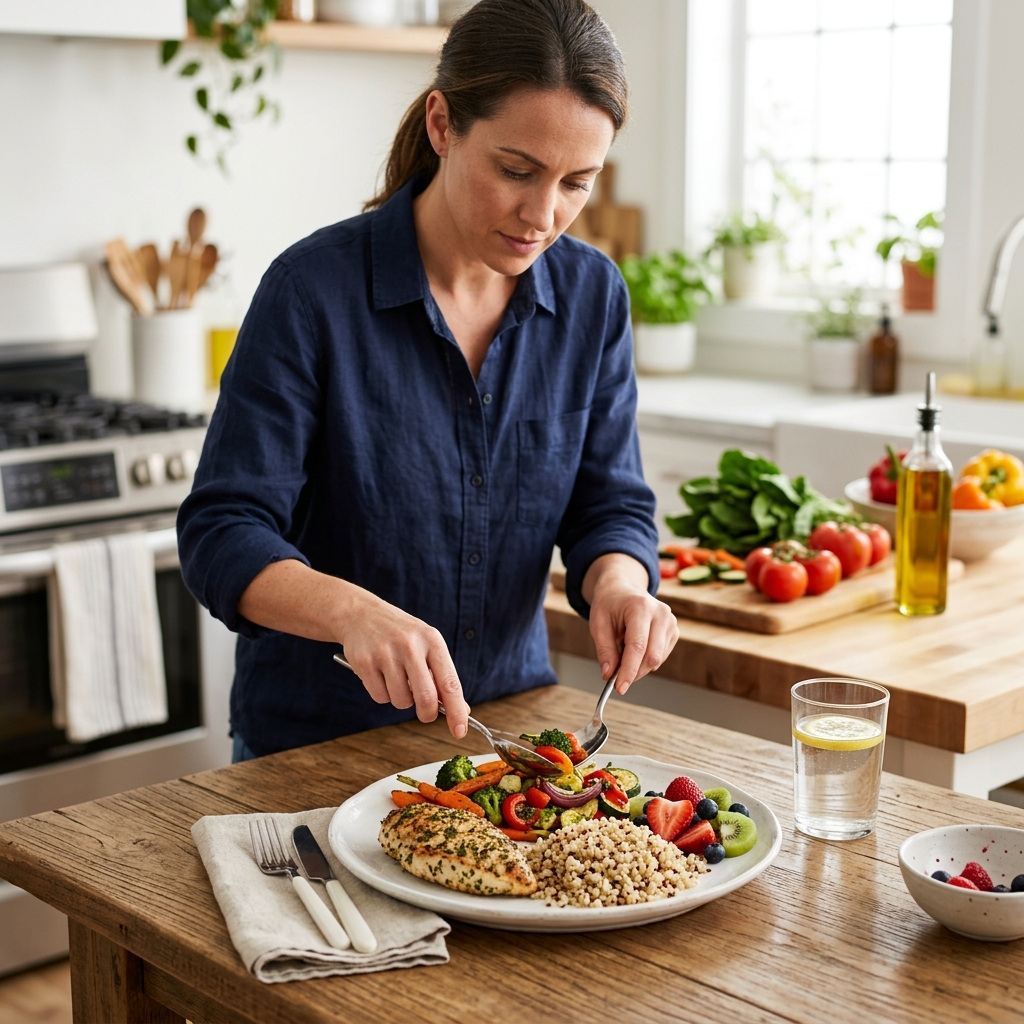
A simple glp-1 diet plan starts with protein at breakfast, lunch, and dinner. Small plates work well, since portions naturally shrink with this medication. Whole foods like eggs, rice, chicken, and vegetables sit well and digest with ease. This pattern gives the body steady energy across the day.
Gentle Food Choices For Easy Digestion
Fried foods, heavy cream sauces, and large portions tend to sit heavily in the stomach. Lighter meals with lean protein and vegetables feel comfortable and support smooth digestion. Eating slowly gives the body time to register fullness before you finish your plate. Calm, steady meals make a glp-1 diet easier to enjoy every day.
Sample Day Of Eating
Breakfast can include eggs or yogurt with a small side of fruit for a gentle start. A light snack such as cottage cheese or a handful of nuts works well before lunch. Lunch and dinner can feature grilled chicken or fish with rice and vegetables in modest portions. Steady sips of water throughout the day round out this simple GLP-1 diet routine.
When To Call Your Provider
A quick call to the care team brings comfort and clear guidance for new or unusual symptoms. This check-in helps clarify whether a change needs extra support. Providers welcome these calls and use them to fine-tune care with confidence. This simple habit keeps a glp-1 diet on track and supports steady progress.
Frequently Asked Questions
What should we eat first in the morning on a GLP-1 medication?
A protein-rich breakfast such as eggs or yogurt feels gentle first thing in the morning. Small portions work well since appetite stays low early in treatment. This kind of start supports steady energy for the whole day.
How much protein does a glp-1 diet need each day?
Protein needs shift with body weight, activity level, and treatment goals, so a provider sets the exact target. Most patients aim to include a protein source at every meal to maintain energy and muscle. This steady habit supports comfortable progress with treatment.
Why does fried food feel heavy on semaglutide or tirzepatide?
These medications slow how quickly food leaves the stomach, so digestion already moves slowly. Fried food takes extra time to digest, which can add to that full feeling. Lighter meals with lean protein and vegetables sit with more comfort.
Can we enjoy dessert on a GLP-1 medication?
Small servings of dessert fit comfortably into most treatment plans. A little planning around portion size keeps blood sugar steady and digestion calm. Balanced meals across the day make room for an occasional sweet treat.
Why does hydration matter so much for a glp-1 diet?
Thirst signals often fade along with appetite during GLP-1 treatment, so water needs a place on the daily checklist. Steady sips across the day support energy, comfort, and clear thinking. Electrolyte drinks add extra support on days with lower appetite.
Is a lower appetite a normal part of GLP-1 treatment?
A lower appetite is an expected effect of GLP-1 medications and supports the goals of weight management. Providers watch closely to keep protein, hydration, and energy levels steady during this shift. Regular check-ins help the whole process feel supported and safe.
What foods feel gentle during the first weeks of treatment?
Simple foods such as broth-based soups, plain rice, toast, and lean protein feel gentle on the stomach. Small, frequent meals give the body time to adjust to the new pace of digestion. These choices build confidence around eating during the early weeks.
When should we plan a call with our provider?
A quick call clarifies whether a new symptom needs a small adjustment or simply time. Dehydration signs, ongoing discomfort, and big changes in appetite are worth a conversation. Providers welcome these calls and use them to guide care with confidence.
Does eating well help a glp-1 diet succeed long term?
Food choices shape comfort, energy, and consistency across the whole treatment journey. Patients who choose protein-rich, steady meals often stay on track more easily. This simple habit supports lasting success with treatment.